If you want to know why it is important to educate prosecutors about mental illnesses and to push for the creation of mental health courts consider the plight of Sean Duvall, a homeless Persian Gulf War veteran in Virginia.
When the 45 year-old Duvall sank into a depression last June, he considered ending his life. He wrote a suicide note to his family, put a letter confirming his eligibility to be buried in a veterans’ cemetery in his pocket, and made a homemade gun fashioned from a pipe.
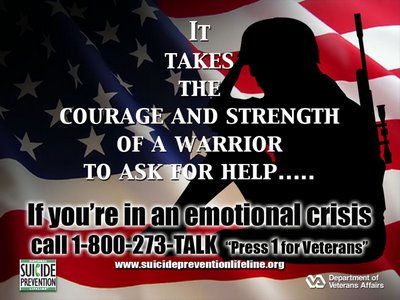
But before he took his own life, he saw a telephone number for a Veterans Administration crisis line.
He called it and a counselor urged him to say put. Help was on the way. A police officer arrived and took Duvall to a psychiatric facility, where he was treated for depression and began feeling better.
This should have been a success story, especially since veterans are ending their lives at a rate of 18 per day.
Sadly, it isn’t.
Nine days later, Duvall was charged in a federal court with possessing a homemade gun and three other gun related charges that could land him in jail for forty years.



 Two unrelated stories last week caused me to think about how easy it is to blame others without “walking in” their shoes.