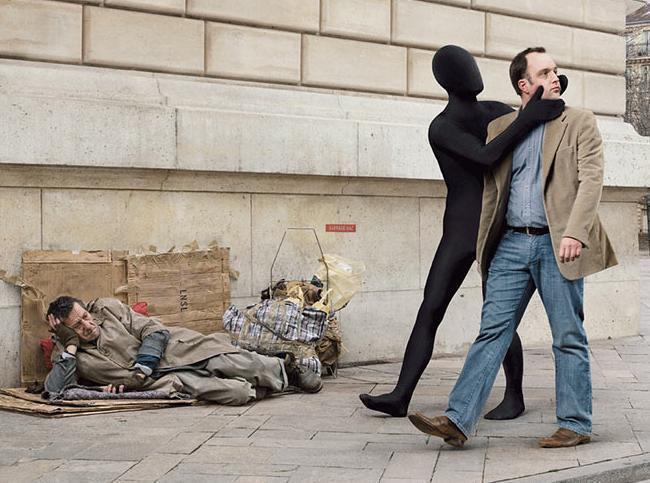
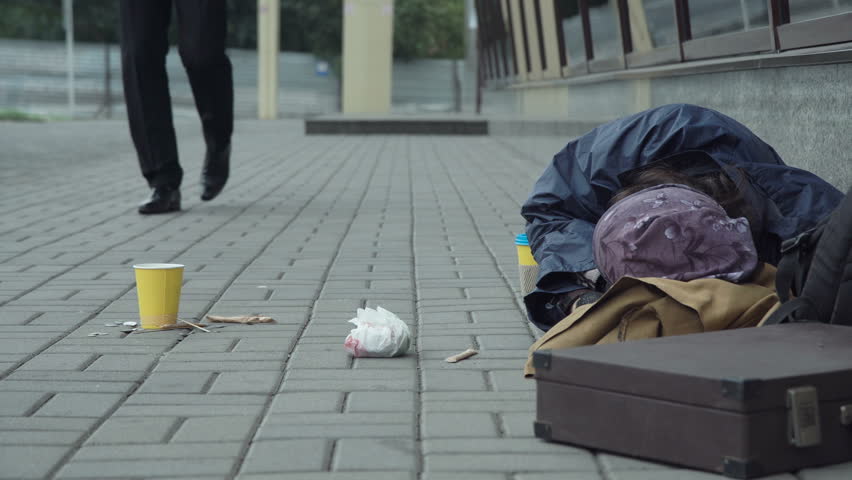
(11-22-17) Giving a meal to someone on Thanksgiving who is homeless feeds them for one day. Giving them housing puts them on a life changing path. Patti and I make a donation each month to the Corporation for Supportive Housing because we believe it offers communities proven solutions for ending homelessness – and homelessness in the wealthiest nation in the world should be unacceptable.
564,708 people in the U.S. are homeless.
According to a recent report, over half a million people were living on the streets, in cars, in homeless shelters, or in subsidized transitional housing during a one-night national survey last January. Of that number, 206,286 were people in families, 358,422 were individuals, and a quarter of the entire group were children.
83,170 individuals, or 15% of the homeless population, are considered “chronically homeless.”
Chronic homelessness is defined as an individual who has a disability and has experienced homelessness for a year or longer, or and individual who has a disability and has experienced at least four episodes of homelessness in the last three years (must be a cumulative of 12 months).
Families with at least one adult member who meets that description are also considered chronically homeless. As the National Alliance to End Homelessness explains, “While people experiencing chronic homelessness make up a small number of the overall homeless population, they are among the most vulnerable. They tend to have high rates of behavioral health problems, including severe mental illness and substance use disorders; conditions that may be exacerbated by physical illness, injury, or trauma.”
47,725, or about 8% of the homeless population, are veterans.
This represents a 35% decrease since 2009. Homeless veterans have served in several different conflicts from WWII to the recent wars in Afghanistan and Iraq. Washington, D.C., has the highest rate of veteran homelessness in the nation (145.8 homeless veterans per 10,000). 45% of homeless veterans are black or Hispanic. While less than 10% of homeless veterans are women, that number is rising.

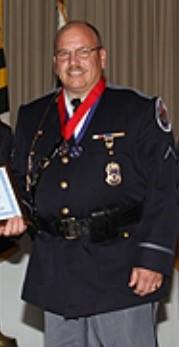 Merkel’s attorney, Robert C. Bonsib, declined to comment on the verdict. Merkel was placed on administrative leave after the Sept. 22, 2016, incident.In what he called “a difficult case,” Jackson said his verdict was guided by two events he deemed “somewhat extraordinary”: that Merkel’s actions so bothered fellow officers they reported them to supervisors, and that the homeless woman, while incoherent, had her “sensibilities offended,” according to her testimony.Events began about 1 a.m. that morning when Merkel was on patrol and encountered the sleeping woman in front of a closed pawnshop in Lanham, attorneys in the case said.