(Editor’s note: Google Analytics noted that my website recorded 200,000 readers a month shortly before the pandemic hit. Advertisers and marketing companies began contacting me. I do not accept advertising nor marketing promotions in the guise of blog posts.)
(6-2-20) Guest blog by Joseph Meyer.
We Need To Thank the Black Lives Matter Movement
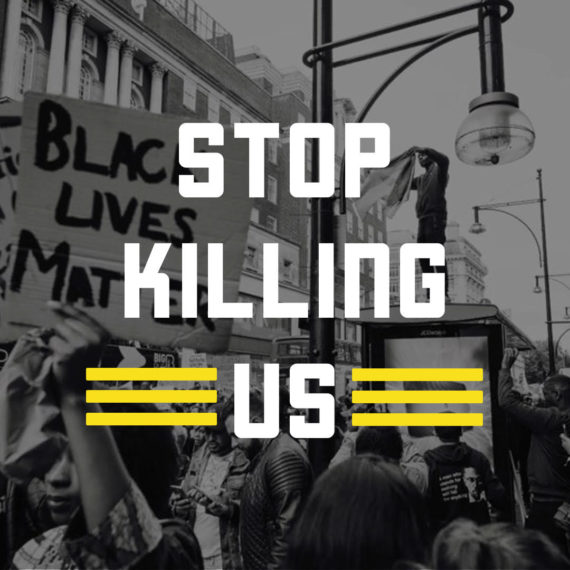
The Black Lives Matter movement is leading the protests about the death of George Floyd in Minneapolis at the hands of police officers. Obviously, BLM is primarily laser-focused on the experiences of persons in the African American community, as its name indicates. But, on the BLM website, its leadership asserts “we work vigorously for freedom and justice for Black people and, by extension, all people.”
The site specifically mentions ageism, expresses support for the broad membership of the GLBTQIA community, and in a summary statement acknowledges the problems faced by other groups: “We are guided by the fact that all Black lives matter, regardless of actual or perceived sexual identity, gender identity, gender expression, economic status, ability, disability, religious beliefs or disbeliefs, immigration status, or location.”
There it is—disability—and, although BLM does not specifically mention mental illness, the BLM movement has time and again been outspoken and active in standing up for the rights of persons with mental illnesses when other advocacy organizations have been mostly silent. So I want to thank the BLM movement because I believe it has done a better job than any of the mental health advocacy organizations at peacefully, yet emphatically, calling attention to deadly threats faced by the seriously mentally ill – especially persons of color – in our communities at the hands of the police. Click to continue…