(12-21-20) I asked Luna Greenstein, who works at NAMI national as a senior manager, to tell me how the nation’s largest, grassroots mental health advocacy organization responded to the challenges of 2020.
The Growth of NAMI’s Mission in 2020
By Luna Greenstein
This year has been filled with adversity on many levels, but it is in times of adversity that we are forced to grow, to evolve. It is also in times of adversity that we tend to bond with our fellow humans who are facing the same challenges.
The National Alliance on Mental Illness (NAMI)’s evolution during 2020 is a perfect example of this.
We started this year like any of our last 40 years — focused on our mission to better the lives of Americans with mental illness and their families. We were updating our programs to keep with the times, bringing people into our community through our awareness campaigns, and bringing our State Organizations and Affiliates throughout the country together to ensure we held a united front.
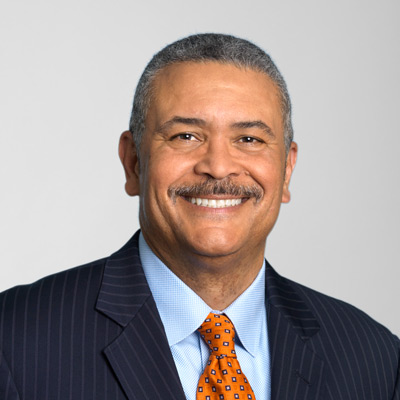
NAMI CEO Daniel Gillison Jr.
We also had a new CEO start in January, Dan H. Gillison Jr., the first Black American to lead the organization since its founding in 1979. As it turns out, he was exactly the right person at the right time.
When the pandemic hit in March, our mission expanded to face the challenge ahead. While we were still focused on our grassroots mission, we found ourselves with an increased need to help all Americans, not just those with mental illness, cope with this crisis that was now impacting everyone’s mental health.
A Huge Undertaking : Becoming “everything to everyone.”
As you can imagine, this was a huge undertaking.
But no one was better suited to do this than NAMI. We are truly the only mental health organization that wants to “be everything to everyone.” While this isn’t always possible, we certainly try.
We are an Alliance made up of thousands of people who, simply put, care about other people and their mental health and want to help them have access to the resources, tools and care people need to cope with the challenges of mental health issues. Lastly, we are a group of people who are extremely familiar with discomfort — all of us have a reason why we are so dedicated to this mission — and, to put it mildly, this pandemic has been uncomfortable for everyone.
How did we change?
One of our goals at NAMI is to “meet people where they are.” Well, now they were all at home. NAMI had to find ways to be there with everyone, too. The Alliance banded together to help our Affiliates and State Organizations transition their education classes and peer support groups to an online format.
The NAMI HelpLine switched to being remote for the first time in our history, and we increased our capacity significantly to handle the huge influx of calls from the new wave of Americans experiencing mental health issues for the first time.