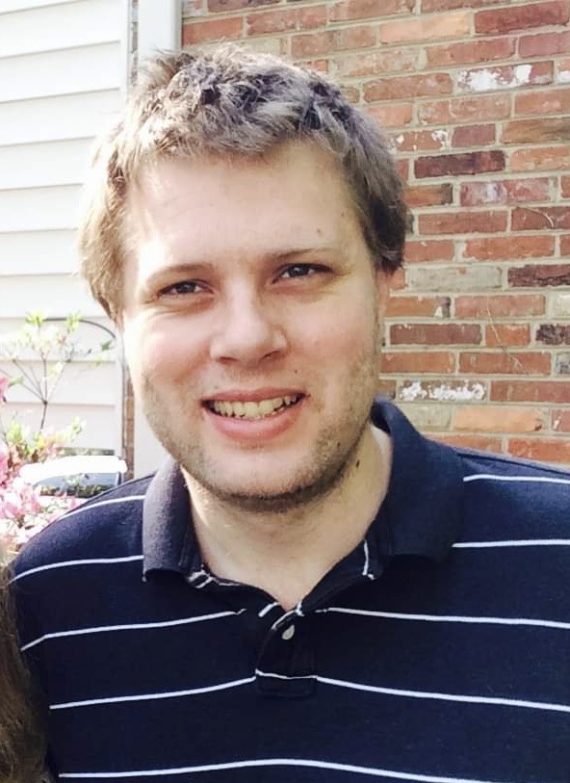
(2-5-21) In this guest blog, Joseph Meyer, the parent of an adult with a serious mental illnesses, ponders psychiatric illnesses, conspiratorial thinking, public policy and criminal justice.
Illness, Crime and Punishment
Guest Blog By Joseph Meyer
I think it was Ronald Reagan who said more than 40 years ago that some people make the choice to live homeless under bridges and in public squares. I have been reflecting on Reagan’s words and the history of psychiatric institutionalization as a political weapon used by authoritarian governments of the past. Together with a desire to cut taxes, a concern for the civil liberty of free choice is partly responsible for laws that make it difficult for family members of adults with psychiatric illnesses to get them off the streets and into treatment for delusions and their sometimes conspiratorial thinking that makes them reject help.
Whether motivated by free choice or psychiatric illness, conspiratorial thinking that preceded and catalyzed behaviors like the recent invasion of the US Capitol building is going to have legal or psychiatric consequences for the individuals actively involved.
Today, beliefs in conspiracies promoted by QAnon and like groups can be thought of as ‘delusional.’ Others often use that word in informal conversation to describe odd thinking and a Google search returns this definition from the Oxford English Dictionary:
‘An idiosyncratic belief or impression that is firmly maintained despite being contradicted by what is generally accepted as reality or rational argument, typically a symptom of mental disorder.’
During the political divide of the last four years or longer, that definition of delusional thinking would seem to fit conspiratorial thinkers, whether or not they have a psychiatric illness.
Recently, a large group of clinicians concerned about the psychiatric health of Donald Trump signed onto a letter calling for a rethinking of the Goldwater Rule that considers it unethical for psychiatrists to assess the behavioral symptoms of public figures who are not their patients from a distance and without a formal examination. Today’s conspiratorial thinking and activism raises questions about the difficulty of setting boundaries between what is normal and abnormal behavior.
How does one decide where the boundaries are between rational thought and clinical illness? How does the boundary affect public policy?