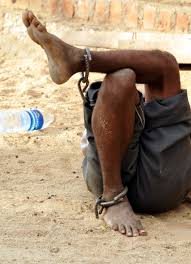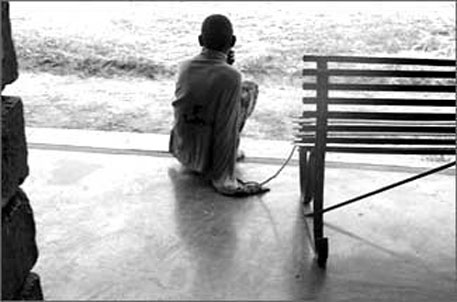
(9-23-16) I was not the most eloquent speaker during the three-day Conference on Justice and the Rights of Homeless Persons with Mental Health Issues that I attended in Chennai, India earlier this month.
An Indian woman, at times poking her finger in the air to emphasis her point, was far more persuasive — and I didn’t understand a word that she was saying because she was not speaking English.
I had an interpreter but even before her words were translated, I could tell from watching her and listening to her emotional inflections that her’s was a powerful testimony.
She had been one of the known 8,000 homeless Indians living on the streets of Chennai (population 4.6 million) when she was caught by the police trying to sell her baby son for a bowl of rice. She was psychotic and starving. Fortunately, the police delivered her to The Banyan, the city’s largest mental health service that rescues women, rather than locking her in jail.
Now fully recovered, she lives with her son in a rural area outside the city where she works as a Banyan trained social worker in small villages seeking out and helping women who have untreated mental illnesses and often have been driven from their homes.