Mental Illnesses Never Take Vacations

Patti and I took six of our children on vacation to the Outer Banks of North Carolina last week along with three of their significant others, and I witnessed something that I wasn’t certain I would ever see. 
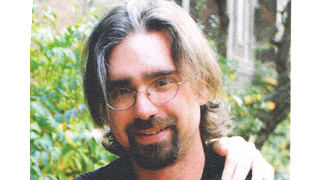
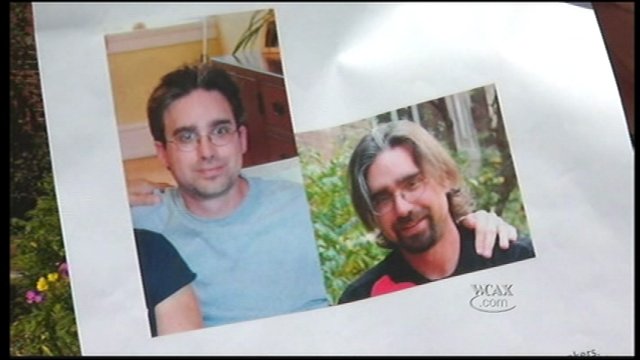
While sitting comfortably in my beach chair with a cool breeze blowing ashore from the Atlantic Ocean, I watched Mike ride a boggie board on top a wave. 
Four years ago in August, Mike was on a downward slide that would end badly with him becoming psychotic, being picked-up by the police and hospitalized for a sixth time because of his brain disorder. That would be his fourth major psychological break from when he was first diagnosed and when it happened, I had reached a point where I wondered if he would ever find a way to manage the symptoms of his illness. I felt helpless and, quite frankly, without hope. 
Watching him at the beach last week, I turned in my chair to Patti, who was reading nearby, and said, “This is one of those rare moments in life when I can honestly say that I am totally and truly happy. I don’t know what will happen tomorrow, but today, I am happy.”

What Advice Would You Give? What Advice Do You Wish Someone Would Have Given You?

  A family friend stopped by unexpectedly and began to cry the moment she entered our house. She explained that her son had been diagnosed with a serious mental illness.

She asked me for advice.

It’s easy for those of us who have been dealing with mental disorders for many years to forget how we felt the first time we learned that someone we loved had a brain disorder. But seeing my friend in distress instantly reminded me of how confused, angry and hopeless I had felt when Mike first became ill.

What advice could I share with her? What advice do I wish someone had given me?

We Need To Talk To Each Other If We Want Reform

Those of us who are working to reform our fractured mental health system need to begin talking to each other. 
During my travels, I’ve visited many communities where there is little or no communication. The police don’t talk to local providers who take care of persons with mental disorders and substance abuse issues. These providers don’t talk to parents. And no one talks to the persons who are actually sick. 
Okay, I’m being a bit facetious — but my point is spot on.
Rather than cooperating, each faction does what it always has done and ignores how tax dollars could be saved and how people could be better treated through community collaboration.

A Never Ending Debate

Mental Health America asked me to moderate a thought-provoking panel that featured four nationally-known activists during its annual convention in Washington D.C.

Kay Redfield Jamison doesn’t need an introduction.  Her memoir,  An Unquiet Mind, was the first book I read after my son, Mike, became ill, and it spent five months on the New York Times bestseller list.  She is not only brilliant and well-spoken, but also unassuming.

The other three panelists were new to me.

Click to continue…

Sadly, no CIT Officer of the Year in Fairfax

I returned from speaking at the International Crisis Intervention Team conference in San Antonio, Texas, with mixed feelings. The conference was great and I was especially pleased to bump into Robert Cluck from my local NAMI chapter in Northern Virginia, as well as Major Tom Ryan from the Fairfax Police Department, who has been one of our county’s strongest CIT advocates. They were among the 1,300 attendees making the conference the largest to date. 
The focus of CIT has expanded from when it was first introduced.  Initially, it was seen as a training program for the police that taught officers how to respond when they encountered someone with a mental illness who was in the midst of a crisis. Now the emphasis is on using CIT to bring different community leaders together to improve mental health services.

Listening to a Peer

     When my sister-in-law Joanne was diagnosed with cancer, my wife, Patti, immediately began searching the Internet for information and one of the most useful websites that she found was a blog being written by a woman undergoing cancer treatment. Patti became a faithful reader and found this woman’s writings helpful and inspiring. Up until Joanne’s death last year, Patti felt that she, Joanne, and the blogger were in the same foxhole. 

     No one thinks it’s odd to ask for direction from someone who has gone through a life-altering illness  — except when it comes to mental disorders. Too often, persons with mental illnesses are ignored even after they have recovered from all symptoms of their illnesses. Part of the reason for this is stigma and the deeply held belief that persons who are “mentally ill” can’t be trusted to take charge of their own lives.  

 Let me be clear here because this is an emotional subject, especially among parents, of which, I am one. When Mike became psychotic, I did not listen to his ranting. I stepped-in and did what I believed any decent human being would do when someone they love becomes so obviously mentally unstable that they need an intervention.

Click to continue…